

The History of Acne Studios: From Stockholm Denim to Global Fashion

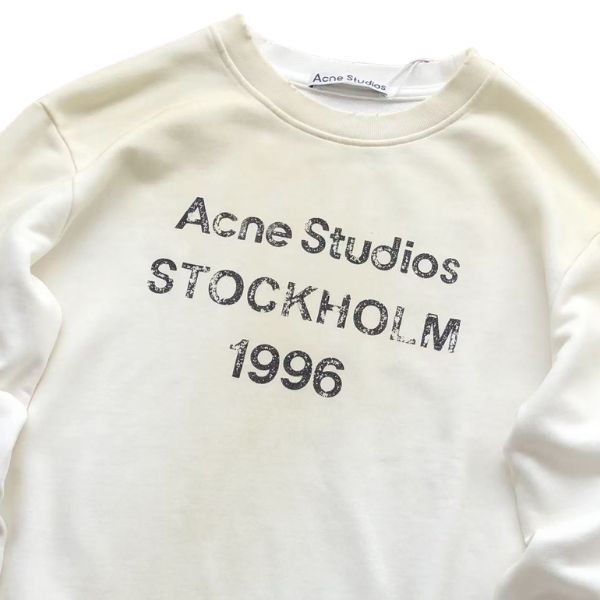
Acne Studios began in 1996 in Stockholm, a city known more for tidy design than for fashion drama. Jonny Johansson, who worked across graphics, film, and advertising, had a small idea. He made about a hundred pairs of raw denim jeans with bright red stitching and gave them to friends and contacts.
Nobody was planning a fashion house. Those first jeans were closer to a calling card for a creative collective. But people kept asking where they could get a pair, and that question turned a side project into a label.
The Rise: From Red Stitching to the Runway
The name is short for “Ambition to Create Novel Expressions,” which says a lot. This was never meant to be just a clothing company. Early fans were editors, stylists, and designers who liked how plain and slightly strange the denim looked.
Within a few years, Acne Studios had added women’s and men’s ready-to-wear, then shoes, bags, and scarves. The brand started showing collections on the fashion calendar, and the look stayed consistent: clean lines, odd proportions, muted colors, and a touch of humor.
Acne Studios Culture: Design, Art, and Ideas
What sets the label apart is the thinking behind it. The brand grew out of a collective, and that mindset never left. It published a print magazine, Acne Paper, that mixed fashion with art and photography. Its stores often feel like small galleries, with unusual materials and a few well-chosen objects instead of crowded racks.
Wearing Acne Studios has always carried a quiet message: you care about design, but you don’t need to announce it.
Signature Pieces That Built the Brand
A few items did most of the work of making the brand famous:
- The denim: Where it all started, and still the core of the range, from slim cuts to wide, low-slung fits.
- The scarf: The oversized wool and mohair scarf is probably the best-known Acne Studios item. It’s soft and instantly recognizable.
- The Face patch: A small smiley emblem on sweatshirts, tees, and knitwear that became a collector favorite.
- Bags and boots: Minimal shapes, like the knotted Musubi bag, and chunky footwear with a slightly off-kilter edge.
Who Wears It: The Creative Crowd
By the 2010s, the label had become a favorite of designers, photographers, architects, and street-style regulars. It never needed a loud logo to get noticed. Cut, texture, and proportion did the talking.
That is the quiet appeal of Acne Studios: people who recognize it feel like they’re in on something.
From Denim Label to Full Wardrobe
Today Acne Studios Shop covers outerwear, tailoring, knitwear, leather, shearling, and accessories https://acnestudios-shop.com/. The menswear line has a loyal following, and many pieces are gender-neutral. Plenty of items carry no visible branding at all, which suits people who like a quieter wardrobe.
If you want to browse current styles, you can find them at acnestudios-shop.com.
Legacy and the Future of Acne Studios
Almost three decades on, Johansson still leads the design direction. Collections keep experimenting with shape, fabric, and color, but the brand’s personality hasn’t drifted. Acne Studios has grown without turning into a logo machine, and that restraint is a big reason it still feels fresh.
Why Acne Studios Still Matters
The brand doesn’t chase every trend. Instead, it offers:
- A clear point of view: Recognizable without being loud.
- Quality materials: Wool, denim, leather, and shearling made to age well.
- Versatility: Pieces that work across seasons and mix easily with what you already own.
- Easy entry points: A scarf, a tee, or a pair of jeans lets you try it without a big commitment.
Final Word
Acne Studios is proof that a small idea can travel a long way. It started with a hundred pairs of jeans in Stockholm and grew into a global name without losing its sense of play. When you wear Acne Studios, you’re wearing a story built on denim, curiosity, and design that doesn’t shout.