

How Acne Studios Became the Golden Child of Quiet Fashion

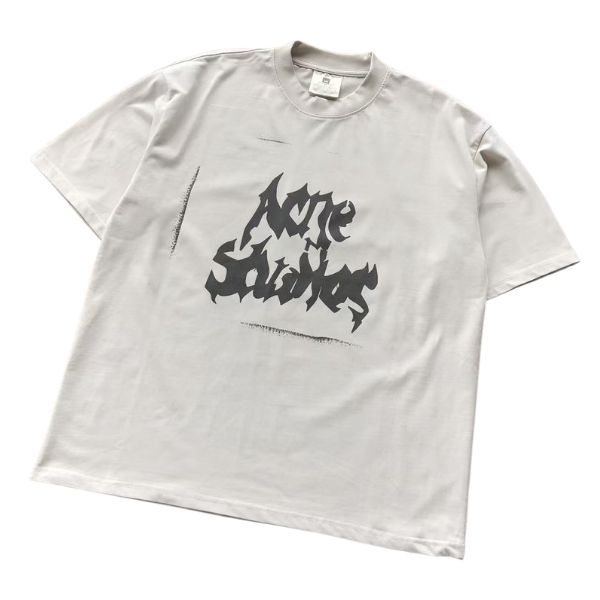
In an era of loud logos and fast trends, Acne Studios took a different route. It built its reputation on curiosity, good materials, and a design point of view that people could recognize without being told. Here’s how that happened.
From a Stockholm Side Project to Global Showrooms
The label began in 1996, when Jonny Johansson made around a hundred pairs of raw denim jeans with red stitching and gave them to friends and contacts. Acne Studios was never planned as a big fashion house. But people kept asking where they could buy a pair, and the question turned into a business.
From there, the range grew into ready-to-wear, shoes, bags, scarves, and accessories. The early creative-collective spirit stayed in the DNA.
Designing with a Twist: The Acne Studios Aesthetic
Where many brands polish everything, this one leaves in a little strangeness on purpose. A coat might have an unexpected proportion. A knit might have an odd texture. A pair of jeans might sit lower or wider than you’d expect. Every piece from Acne Studios has a small detail that makes you look twice.
The materials matter too. Wool, mohair, denim, leather, and shearling are chosen for how they feel and how they age. Softened leather, faded denim, and relaxed knits all look better with wear.
Collaborations and Creative Circles
The brand has always been closer to the creative community than to the mainstream. Designers, photographers, editors, and architects were among its early supporters, and that crowd still shapes how it’s seen. Its audience grew by word of mouth and street style, not by heavy advertising.
Pricing with Purpose
Acne Studios Shop sits in the contemporary luxury space, so prices are higher than high-street fashion and below traditional couture. The cost reflects fabric quality, careful pattern work, and finishing meant to last for years. A scarf, a tee, or a pair of jeans is a reasonable way to try the brand before investing in outerwear.
Staying Independent in a Trend-Driven World
The brand has kept its own voice while expanding to stores in major cities. Its shops often feel like small galleries, with unusual materials, simple displays, and a few well-chosen objects instead of crowded racks. The brand doesn’t follow the usual luxury formula, and that restraint is part of the appeal.
Going Viral Without Losing the Vibe
Acne Studios doesn’t need a gimmick to get attention online. People share scarf styling ideas, denim fades, and outfit layers because the pieces photograph well and look good in everyday life. The small Face patch is also an easy detail to spot and collect.
The result is steady, organic interest that matches the brand’s calm personality.
Beyond Clothing: Art, Print, and Ideas
The label has long mixed fashion with art and publishing. Its print magazine, Acne Paper, combined photography, essays, and design. That habit of treating clothes as part of a wider culture is a big reason people describe the brand as more than a clothing label acnestudios-shop.com.
Lessons Any Brand Can Borrow
Acne Studios offers a few useful lessons for any brand:
- Have a clear point of view: Don’t try to appeal to everyone.
- Let quality do the talking: Good fabric and fit get noticed without loud branding.
- Build slowly: Trust grows when a brand stays consistent for years.
If you’d like to browse current styles, you can find them at acnestudios-shop.com.
Why Acne Studios Wins
Acne Studios never asked for approval from the fashion crowd. It made clothes it believed in and let the right people find them. That calm confidence is why it still feels fresh after decades.
From a well-draped scarf to a sharply cut coat, the brand shows that luxury doesn’t have to be loud. Acne Studios proves that a quiet identity, built with patience and good materials, can outlast any trend. Stay curious, choose well, and wear it often.